
By choosing your preferences you agree to our Privacy & Cookie Policy.

Development of Veerangana Durgavati Tiger Reserve into a cheetah sanctuary
In a significant advancement for wildlife conservation, the state of Madhya Pradesh is set to transform the Veerangana Durgavati Tiger Reserve into a cheetah sanctuary before the upcoming monsoon session. This initiative was announced by Chief Minister Mohan Yadav. Located at Nauradehi in the Sagar district, this will become the third cheetah sanctuary in Madhya Pradesh following the successful relocation of cheetahs to Kuno National Park.
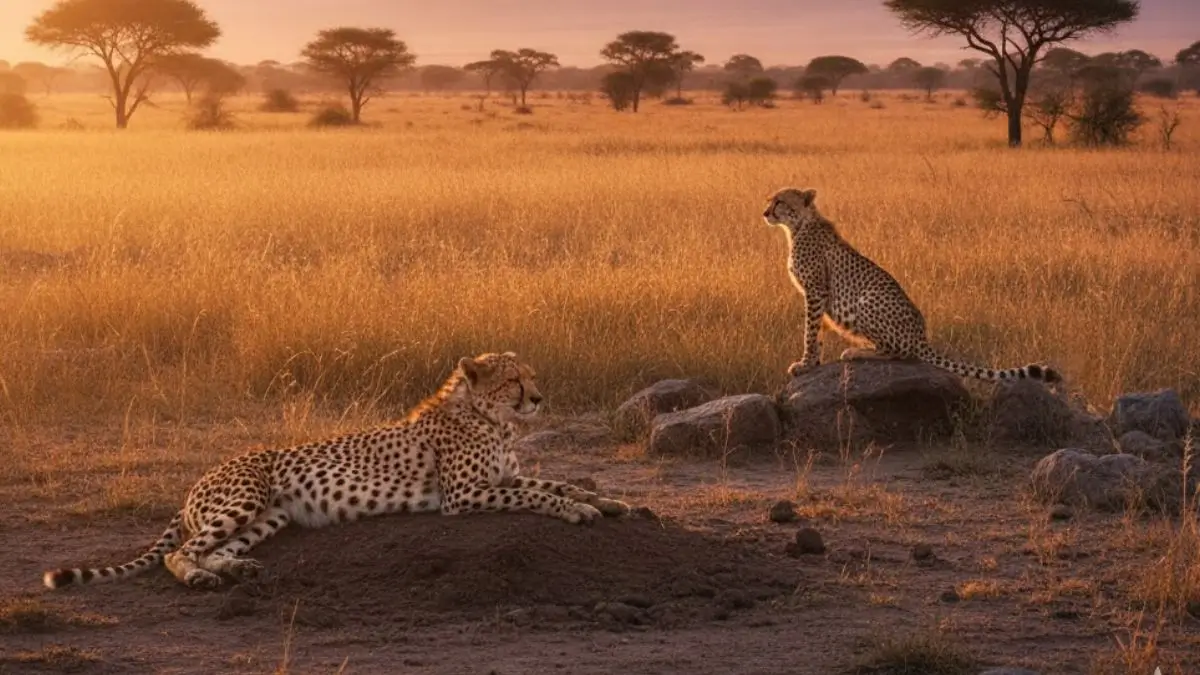
Background: cheetah reintroduction in India
India has achieved a remarkable milestone by becoming the only country worldwide to successfully rehabilitate cheetahs after the extinction of the Asiatic cheetah in the 1950s. Here’s a brief overview of the cheetah reintroduction efforts:
- First Habitat: Kuno National Park, Sheopur (September 2022) - currently hosts 28 cheetahs.
- Second Habitat: Gandhi Sagar Sanctuary, Mandsaur (April 2025) - currently home to 2 cheetahs.
- Upcoming Translocation: Eight cheetahs are expected to arrive from Botswana in January 2026.
Veerangana Durgavati Tiger Reserve Details
The Veerangana Durgavati Tiger Reserve is strategically located in Nauradehi, Sagar district, Madhya Pradesh. It has received approval from the state cabinet for the development of this crucial cheetah habitat. This initiative is significant for the following reasons:
- It will become the third habitat in Madhya Pradesh dedicated to India’s big cat conservation program.
- The primary objective is to expand the range and population of cheetahs, complementing the existing habitats at Kuno National Park and Gandhi Sagar Sanctuary.
Conservation Significance
The establishment of the cheetah sanctuary plays a vital role in various aspects of conservation:
- biodiversity protection: The reintroduction of apex predators like cheetahs is essential for balancing ecosystem dynamics.
- Wildlife Management: It enhances habitats for cheetahs and other species being translocated to Madhya Pradesh.
- ecotourism & Awareness: The initiative promotes conservation awareness and offers sustainable tourism opportunities.
- Global Recognition: It underscores India’s leadership role in big cat conservation.
Future Plans and international cooperation
As part of the next phase of Project Cheetah, eight additional cheetahs are anticipated from Botswana in January 2026. These cheetahs will be introduced at Kuno National Park, further strengthening the breeding population. The program relies heavily on international collaboration, particularly with African nations, which provides valuable expertise in cheetah management, health monitoring, and long-term conservation strategies.
Frequently Asked Questions (FAQs)
Q1. What is the purpose of developing the Veerangana Durgavati Tiger Reserve into a cheetah sanctuary?
Answer: The sanctuary aims to enhance wildlife conservation efforts by expanding the range and population of cheetahs in Madhya Pradesh, complementing existing habitats.
Q2. When is the expected arrival of the cheetahs from Botswana?
Answer: Eight cheetahs are expected to be brought from Botswana in January 2026 as part of the ongoing Project Cheetah.
Q3. How many cheetahs are currently in Kuno National Park?
Answer: Kuno National Park currently hosts 28 cheetahs, marking a successful initial reintroduction.
Q4. Why is biodiversity protection important in this context?
Answer: Biodiversity protection is crucial as it supports the reintroduction of apex predators, helping to maintain balanced ecosystem dynamics.
Q5. What role does ecotourism play in wildlife conservation?
Answer: Ecotourism promotes conservation awareness while providing sustainable tourism opportunities, benefiting local economies and conservation efforts.
UPSC Practice MCQs
Question 1: What is the main objective of developing the Veerangana Durgavati Tiger Reserve?
A) To enhance agricultural productivity
B) To expand the cheetah population
C) To promote urban development
D) To establish a national park
Correct Answer: B
Question 2: Which sanctuary is the first habitat for cheetahs in India post-reintroduction?
A) Gandhi Sagar Sanctuary
B) Veerangana Durgavati Tiger Reserve
C) Kuno National Park
D) Bandhavgarh National Park
Correct Answer: C
Question 3: How many cheetahs are currently in Gandhi Sagar Sanctuary?
A) 1
B) 2
C) 5
D) 10
Correct Answer: B
Related
Article's
The Intriguing Tradition of the Gotmar Fair in Pandhurna
Exploring Environmental Protection and Animal Rights in Indian Constitution
The Role of Elephant Corridors in Wildlife Preservation
Ensuring Sustainable Deep-Sea Fishing in India
Allographa effusosoredica: A New Lichen Species in the Western Ghats
Understanding the Tropical Forest Forever Facility (TFFF)
The Significance of Sacred Groves in Conservation
Understanding the Significance of Wildlife Corridors
The Intriguing Tradition of the Gotmar Fair in Pandhurna
Exploring Environmental Protection and Animal Rights in Indian Constitution
The Role of Elephant Corridors in Wildlife Preservation
Ensuring Sustainable Deep-Sea Fishing in India
Allographa effusosoredica: A New Lichen Species in the Western Ghats
Understanding the Tropical Forest Forever Facility (TFFF)
The Significance of Sacred Groves in Conservation
Understanding the Significance of Wildlife Corridors
 Kutos : AI Assistant!
Development of Veerangana Durgavati Tiger Reserve into a Cheetah Sanctuary
Ask your questions below - no hesitation, I am here to support your learning.
Ask your questions below - no hesitation, I am here to support your learning.
