
By choosing your preferences you agree to our Privacy & Cookie Policy.

India's Intangible Cultural Heritage
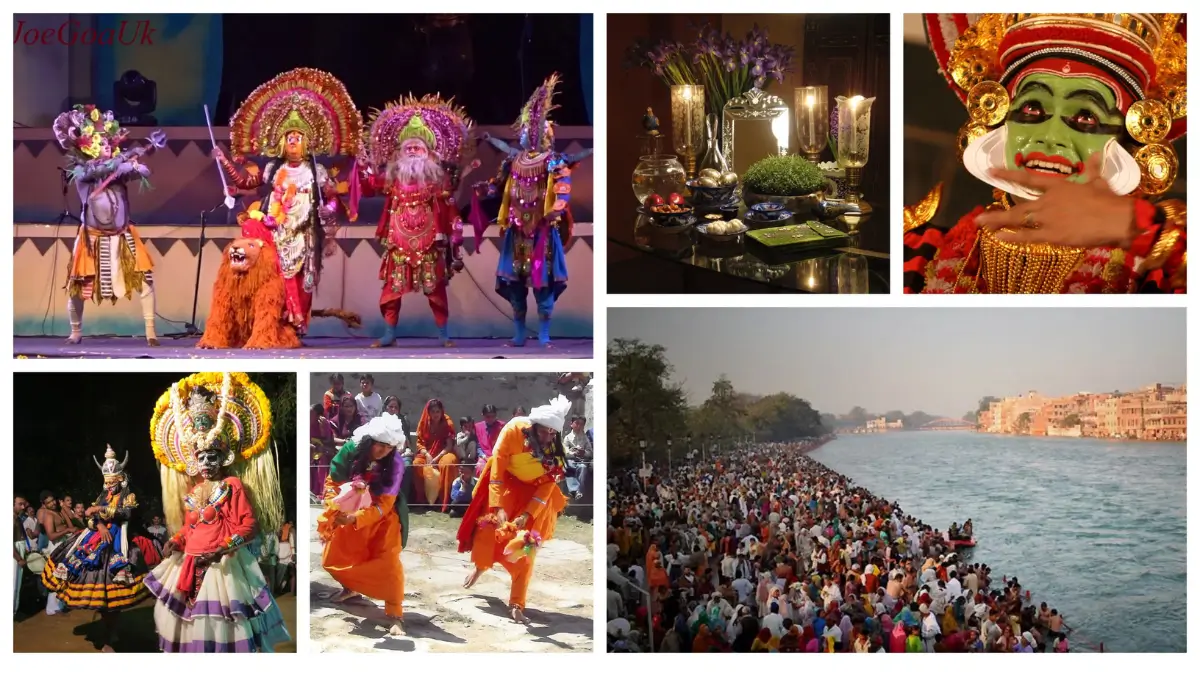
India is renowned for its rich traditions, vibrant festivals, and ancient art forms, all of which have been lovingly passed down through generations. Many of these cultural practices are so significant that they have been included in UNESCO's Intangible Cultural Heritage list, which serves to protect and celebrate traditions that embody India's identity, creativity, and history.
What is Intangible Cultural Heritage?
Intangible cultural heritage encompasses living traditions such as festivals, dances, rituals, oral stories, music, crafts, and performance arts. These practices are maintained by communities and reflect their identity, history, and shared values.
How India’s Traditions Enter the UNESCO List
UNESCO's Intergovernmental Committee evaluates cultural elements from different countries based on their uniqueness, significance, and community involvement. In India, the Ministry of Culture plays a crucial role in preserving and promoting these traditions, ensuring their global recognition and safeguarding for future generations.
India’s First Entry in 2008
India made its first entry onto the UNESCO list in 2008, with three traditions: Kutiyattam, Vedic Chanting, and Ramlila. Since then, additional elements have been recognized, highlighting India's growing cultural significance on the global stage.
UNESCO Representative List of India’s Intangible Cultural Heritage
India's cultural landscape is rich with music, festivals, performances, and rituals preserved through generations. UNESCO’s Representative List honors these living traditions, showcasing the diverse heritage of India. Below is a list of selected elements recognized by UNESCO:
- Kutiyattam, Sanskrit Theatre (2008) - Performing Arts, Kerala: An ancient Sanskrit theatre form performed by the Chakyar and Nangyaramma communities, tracing back to the Sangam era.
- Tradition of Vedic Chanting (2008) - Oral Literature, Whole India: Traditional chanting of Sanskrit mantras, essential to Vedic study and memorization.
- Ramlila, Traditional Performance of the Ramayana (2008) - Festival, Whole India: A dramatic reenactment of Lord Rama's life based on the Ramayana.
- Ramman Festival (2009) - Festival, Uttarakhand: A unique village festival of the Garhwali people of Chamoli district.
- Chhau Dance (2010) - Performing Arts, West Bengal, Jharkhand, Odisha: A martial dance featuring distinct regional styles.
- Kalbelia Folk Songs and Dance (2010) - Performing Arts, Rajasthan: A dance form characterized by snake-like movements and traditional music.
- Mudiyettu (2010) - Performing Arts, Kerala: A ritual dance-drama depicting the battle between Goddess Kali and the demon Darika.
- Buddhist Chanting of Ladakh (2012) - Oral Literature, Ladakh: Recitation of sacred Buddhist texts by various sects.
- Sankirtana of Manipur (2013) - Oral Literature & Performance, Manipur: Devotional singing, drumming, and dancing narrating the stories of Lord Krishna.
- Brass & Copper Craft of Thatheras of Jandiala Guru (2014) - Handicrafts, Punjab: Traditional craft of making brass and copper utensils.
- Navroz (2016) - Festival, Whole India: A spring festival celebrated mainly by the Parsi community.
- Yoga (2016) - Performance, Whole India: An ancient practice recognized worldwide, with June 21 celebrated as International Yoga Day.
- Kumbh Mela (2017) - Festival, Various Cities: A world-famous pilgrimage held every 12 years across four holy cities.
- Durga Puja of Kolkata (2021) - Festival, Kolkata: A grand celebration of Goddess Durga featuring rituals and cultural events.
- Garba of Gujarat (2023) - Festival, Gujarat: An energetic dance performed during Navratri and other festive occasions.
- Deepavali (Diwali) (2025) - Festival, Whole India: The festival of lights celebrated with lamps, prayers, and cultural traditions.
Frequently Asked Questions (FAQs)
Q1. What is the significance of UNESCO's Intangible Cultural Heritage list?
Answer: The UNESCO Intangible Cultural Heritage list recognizes and protects traditions that embody cultural identity and creativity, ensuring their preservation for future generations.
Q2. Which traditions from India were first recognized by UNESCO?
Answer: In 2008, India's first entries were Kutiyattam, Vedic Chanting, and Ramlila, highlighting India's rich cultural heritage.
Q3. How does India preserve its cultural traditions?
Answer: The Ministry of Culture in India actively works to promote and preserve cultural traditions, enabling them to gain global recognition and safeguarding them for future generations.
Related
Article's
India to Host UNESCO Panel on Intangible Cultural Heritage
Exploring Kutiyattam: The Ancient Theatre of Kerala
The Historical Evolution of Hindu Temples in India
The Art of Khavda Pottery: A Glimpse into Kutch's Traditional Craft
The Nuances of Asian Values in Modern Society
Vibrant Art of Yakshagana: Karnataka's Traditional Theatre
Cultural Significance of Indian Pottery
Celebrating Faith and Heritage in Amritsar
India to Host UNESCO Panel on Intangible Cultural Heritage
Exploring Kutiyattam: The Ancient Theatre of Kerala
The Historical Evolution of Hindu Temples in India
The Art of Khavda Pottery: A Glimpse into Kutch's Traditional Craft
The Nuances of Asian Values in Modern Society
Vibrant Art of Yakshagana: Karnataka's Traditional Theatre
Cultural Significance of Indian Pottery
Celebrating Faith and Heritage in Amritsar
 Kutos : AI Assistant!
Exploring India's Intangible Cultural Heritage
Ask your questions below - no hesitation, I am here to support your learning.
Ask your questions below - no hesitation, I am here to support your learning.
